

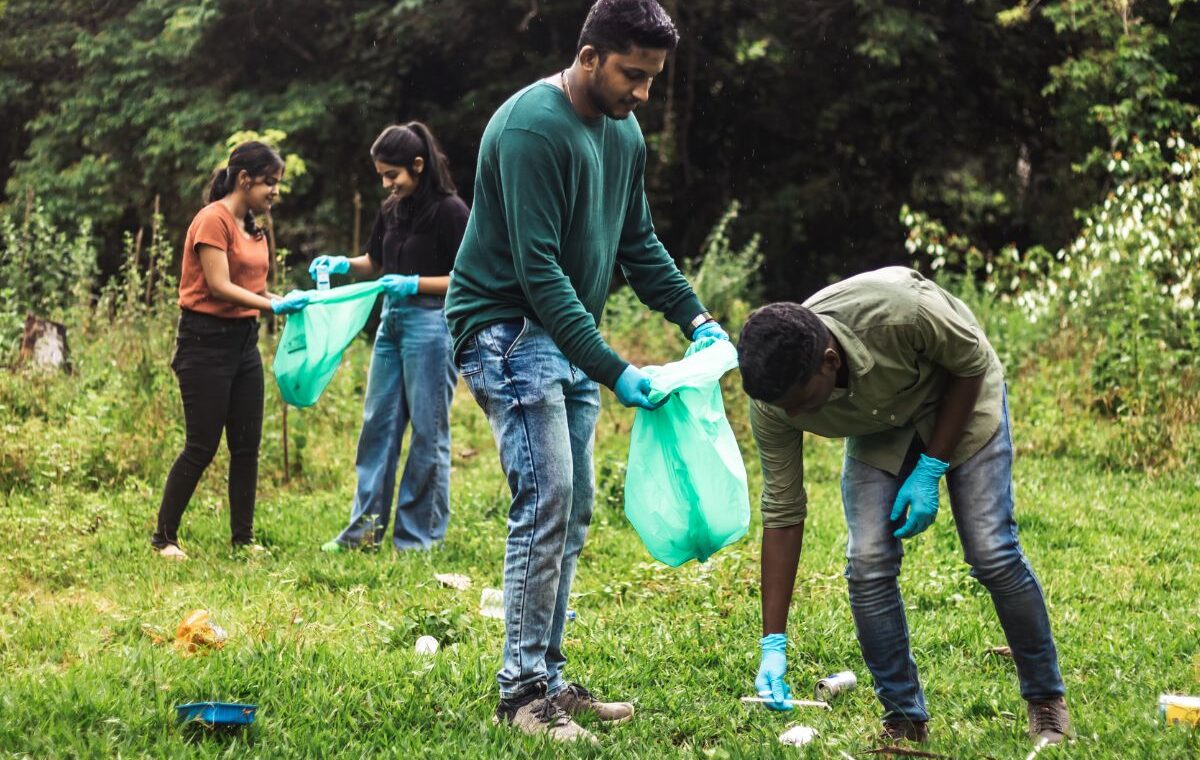
The future of our planet is being shaped today—not just by policymakers, scientists, or corporations, but by a generation that is increasingly aware, connected, and motivated: young people. As environmental challenges like climate change, food insecurity, and resource depletion intensify, the call for sustainable living has never been more urgent. Yet within this urgency lies a powerful opportunity. Youth are not just inheritors of the future—they are active participants in creating it. Through education, innovation, and community engagement, young people are uniquely positioned to lead the sustainable living movement in transformative ways.
The Rising Awareness of a Generation
Today’s youth are growing up in a world where environmental issues are no longer distant or abstract. They see the effects of extreme weather, rising food costs, and pollution in real time. Social media and digital platforms have amplified access to information, making it easier than ever for young people to learn about sustainability and connect with like-minded peers across the globe.
This awareness is not passive. It is driving action. From school gardens to climate marches, young individuals are stepping forward with a sense of urgency and responsibility. Unlike previous generations, many youth view sustainability not as a lifestyle choice, but as a necessity for survival and equity.
Why Youth Are Natural Leaders in Sustainability
There are several reasons why youth are particularly well-suited to lead the sustainable living movement:
1. Adaptability and Openness to Change
Young people are generally more open to new ideas and ways of living. Sustainable practices—like reducing waste, growing food, or conserving energy—often require shifts in behavior. Youth are more willing to experiment, adapt, and embrace these changes.
2. Long-Term Stake in the Future
Simply put, young people have more at stake. The decisions made today will impact their lives for decades to come. This long-term perspective fuels a deeper commitment to sustainable practices.
3. Creativity and Innovation
Youth bring fresh perspectives and innovative solutions. Whether it’s designing eco-friendly products, launching sustainability-focused apps, or reimagining community spaces, their creativity is a driving force for change.
4. Influence Through Networks
With strong social connections both online and offline, young people have the ability to influence peers, families, and communities. A single idea can spread rapidly, creating ripple effects that inspire collective action.
Sustainable Living: More Than Just Going Green
Sustainable living is often misunderstood as simply recycling or using less plastic. While these actions are important, true sustainability is much broader. It includes:
- Food sustainability: Growing and consuming food in ways that protect the environment and support local communities
- Economic sustainability: Supporting ethical businesses and creating systems that are fair and resilient
- Social sustainability: Building communities that are inclusive, healthy, and equitable
- Environmental stewardship: Protecting natural resources for future generations
Youth who engage in sustainable living are not just helping the environment—they are building stronger communities and more balanced lives.
The Role of Farmsteads and Hands-On Learning
One of the most effective ways to engage youth in sustainability is through hands-on experiences. Farmsteads, community gardens, and agricultural programs offer powerful opportunities for learning and growth.
When young people work with the land, they develop a deeper understanding of where food comes from and the effort required to produce it. They learn patience, responsibility, and respect for nature. These experiences also teach practical skills such as planting, harvesting, composting, and animal care.
Beyond technical knowledge, farm-based education fosters character development. Youth learn the value of hard work, teamwork, and perseverance. They begin to see themselves not just as consumers, but as contributors to a sustainable system.
Education as a Catalyst for Change
Formal and informal education plays a critical role in empowering youth to lead in sustainability. Schools, community programs, and organizations can integrate sustainability into their curricula in meaningful ways.
This might include:
- Teaching students how to grow their own food
- Incorporating environmental science into everyday lessons
- Encouraging project-based learning focused on real-world challenges
- Providing mentorship opportunities with sustainability leaders
When education moves beyond theory and into practice, it becomes a powerful tool for transformation. Youth gain not only knowledge, but also confidence in their ability to make a difference.
Youth-Led Initiatives Making an Impact
Across the world, young people are already leading impactful sustainability initiatives. Some are starting community gardens in urban areas, transforming vacant lots into sources of fresh food. Others are launching campaigns to reduce food waste, promote recycling, or eliminate single-use plastics.
Entrepreneurial youth are creating businesses centered around sustainability—selling eco-friendly products, developing renewable energy solutions, or offering services that promote green living. These ventures not only address environmental issues but also create economic opportunities.
Even small actions can have significant impact. A group of students starting a composting program at school or organizing a neighborhood clean-up can inspire others and build momentum for larger changes.
Overcoming Challenges and Barriers
While the potential for youth leadership is immense, there are challenges that must be addressed:
Limited Access to Resources
Not all young people have access to land, tools, or educational programs. Expanding access is essential for inclusive participation.
Lack of Mentorship
Guidance from experienced individuals can make a significant difference. Mentorship helps youth navigate challenges and refine their ideas.
Systemic Barriers
Economic and social inequalities can limit opportunities for some youth. Addressing these barriers is crucial to ensuring that all voices are heard.
Burnout and Discouragement
Facing large-scale issues like climate change can feel overwhelming. Providing emotional support and celebrating small wins can help sustain motivation.
Organizations like Shamayim Farmstead play a vital role in addressing these challenges by creating supportive environments where youth can learn, grow, and lead.
Building a Culture of Sustainability
For youth to truly lead the sustainable living movement, sustainability must become part of everyday culture. This means integrating sustainable practices into homes, schools, and communities.
Families can encourage sustainable habits by involving children in gardening, cooking, and reducing waste. Schools can model sustainability through energy-efficient practices and environmental programs. Communities can create spaces for collaboration, such as farmers markets and shared gardens.
When sustainability becomes a shared value, it is reinforced through collective action. Youth are more likely to stay engaged when they see their efforts supported and amplified by those around them.
The Power of Storytelling and Advocacy
Youth have a powerful voice, and storytelling is one of their most effective tools. By sharing their experiences, challenges, and successes, young people can inspire others and raise awareness about sustainability issues.
Social media, blogs, and community events provide platforms for youth to advocate for change. Whether it’s documenting a farm project, sharing tips for reducing waste, or speaking at local events, these stories can spark conversations and drive action.
Advocacy also extends to engaging with local leaders and policymakers. Youth can participate in decision-making processes, ensuring that sustainability remains a priority in their communities.
Preparing for a Sustainable Future
As the world continues to evolve, the skills needed for the future are changing. Sustainability is no longer a niche interest—it is becoming a foundational aspect of many careers and industries.
By engaging in sustainable living, youth are developing valuable skills such as critical thinking, problem-solving, collaboration, and resilience. These skills are not only essential for environmental stewardship but also for success in a rapidly changing world.
Programs that combine sustainability with leadership development are particularly effective. They equip youth with the tools they need to turn ideas into action and to lead with confidence and purpose.
A Call to Action
The sustainable living movement is not a distant goal—it is happening now, and youth are at its forefront. The question is not whether young people can lead, but whether they will be given the opportunities and support to do so.
Communities, educators, and organizations must invest in youth by providing access to resources, mentorship, and hands-on experiences. By doing so, they are not only supporting individual growth but also contributing to a more sustainable and equitable future.
For young people, the call to action is clear: get involved, stay curious, and take initiative. Whether it’s planting a garden, starting a project, or simply making more mindful choices, every action matters.
Conclusion
Growing the future requires more than hope—it requires action, leadership, and a commitment to change. Youth have the passion, creativity, and determination needed to lead the sustainable living movement. With the right support and opportunities, they can transform communities, protect the environment, and build a future that is both sustainable and just.
The seeds of change are already being planted. As they take root and grow, they will shape a world where sustainability is not just an ideal, but a way of life—led by the very generation that will inherit it.